
Search Louisiana Bench Warrants
Louisiana bench warrants are issued when a person fails to show up for a court date or does not follow a judge's order. Each of the 64 parishes in Louisiana tracks bench warrants through the local Sheriff's Office and Clerk of Court. You can search for active bench warrants online in some parishes, or check by phone and in person at the courthouse. This page covers the main ways to look up bench warrant records across Louisiana, how bench warrants work under state law, and where to find the right office in your parish to check your warrant status or get copies of court records.
Louisiana Bench Warrant Quick Facts
What Louisiana Bench Warrants Are
A bench warrant in Louisiana is a court order that tells law enforcement to arrest a specific person and bring them before a judge. The term "bench" comes from the judge's bench. These warrants are not the same as arrest warrants, which start with a police investigation. Bench warrants come straight from the court itself. A judge issues one when someone does not do what the court told them to do.
The most common reason for a bench warrant is failure to appear. If you miss a court date after getting proper notice, the judge can sign a bench warrant that same day. Under Louisiana Code of Criminal Procedure Article 349.1, a court may issue a bench warrant when a person fails to appear at a hearing after proper notice. Traffic cases, misdemeanor charges, and felony proceedings can all lead to bench warrants. Even missing a single hearing on a minor charge can result in one. Bench warrants also get issued for violating probation terms or not paying court-ordered fines on time.

Once issued, a Louisiana bench warrant does not go away on its own. It stays active until you turn yourself in, get picked up by police, or the judge recalls it. There is no time limit. According to Louisiana Code of Criminal Procedure Article 205, arrest warrants and bench warrants remain in effect until executed or recalled by court order. That means a bench warrant from five years ago is just as valid as one from last week.
How to Search Bench Warrants in Louisiana
Louisiana has no single statewide database for bench warrant searches. Each parish handles its own records. Some parishes have online search tools. Others require a phone call or an in-person visit. The level of online access varies a lot from one parish to the next.
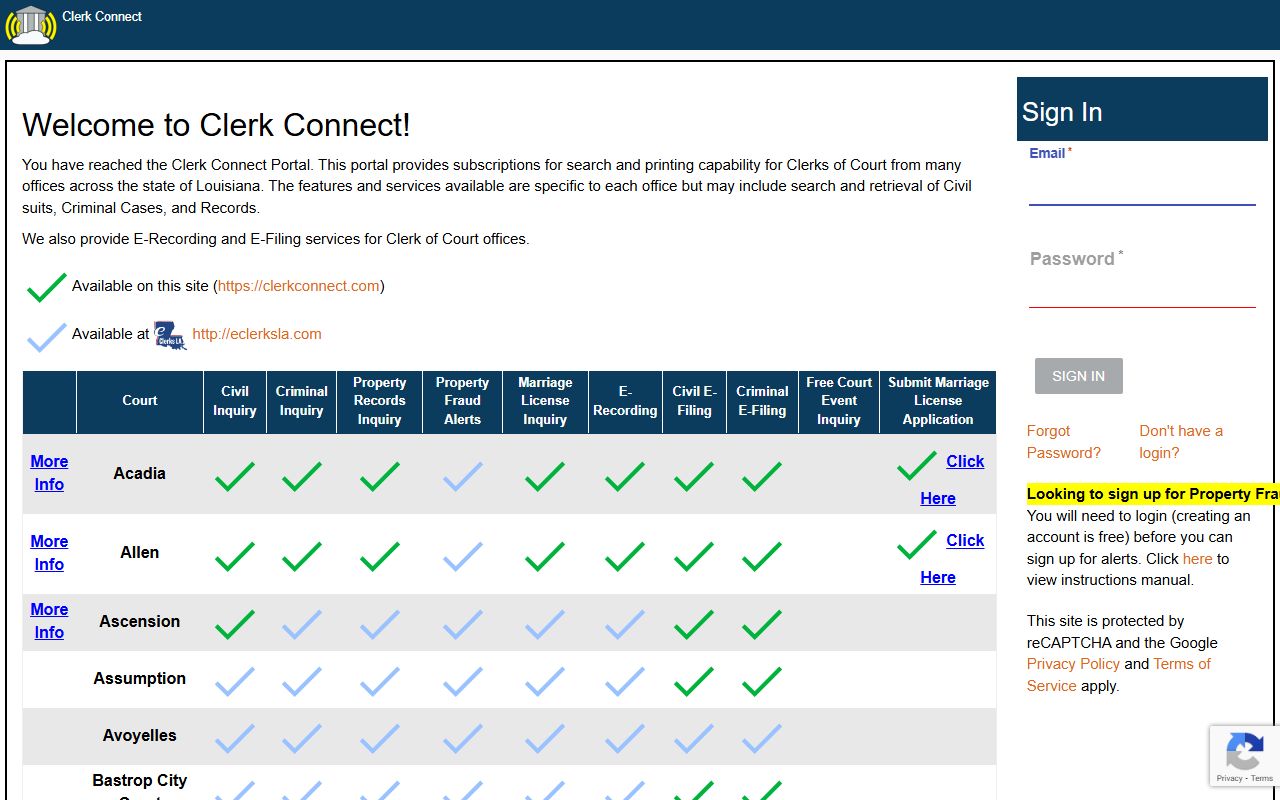
Several parishes use the Clerk Connect portal for online record lookups. This system covers parishes like Ouachita, Orleans, Caddo, Bossier, Lincoln, and others. You can search by name, case number, or warrant date. Some parishes charge a fee for full access through Clerk Connect. Ouachita Parish, for instance, charges $20 for 24-hour access or $75 per month. Other parishes offer free basic searches.
The Louisiana State Police maintains a statewide criminal history database. This is not a free public search tool, but it can show warrant information as part of a background check. The fee is $26 for a criminal history report. For a quick check on active bench warrants in a specific parish, it is usually faster and cheaper to go straight to the parish Sheriff's Office or Clerk of Court.
Baton Rouge has one of the best online warrant systems in the state. The city runs a public Baton Rouge City Court warrant lookup tool that gets updated daily. You search by last name, first name. The city also publishes warrant data through its Open Data BR portal, which lets you export warrant records in bulk. Most other parishes do not offer this level of transparency.
Note: Online warrant lookups may not reflect the most current information, as some courts have a 7 to 10 day processing delay.
Louisiana Bench Warrant Record Details
Per Louisiana Code of Criminal Procedure Article 203, a warrant must contain specific details to be valid. Every bench warrant issued in the state has to meet these requirements. The document must be in writing and issued in the name of the State of Louisiana. It has to show the date of issuance and the parish where it was issued. The name of the person or a description good enough to identify them must be on it. The offense has to be listed, along with an order for arrest and the signature of the issuing judge.
When you pull up a bench warrant record in Louisiana, you will typically see:
- Full legal name and any known aliases
- Date of birth and physical description
- The offense that led to the warrant
- Case number and court of issuance
- Bond amount, if one has been set
- Date the warrant was issued
- Name of the issuing judge
Each bench warrant is tied to a specific case. If you have multiple cases, you could have multiple bench warrants. Resolving one does not clear the others. The 19th Judicial District Court in East Baton Rouge Parish notes that "each bench warrant is attached to a particular traffic ticket" and that "the recalling of a warrant for one traffic ticket will have no effect on a warrant outstanding for another traffic ticket."
Where to Check for Bench Warrants
The Sheriff's Office in each Louisiana parish is the main place to check for bench warrants. Most offices let you call and ask. Some will confirm over the phone, while others want you there in person. The Caddo Parish Sheriff's Office in Shreveport maintains a searchable online database of active warrants that gets updated daily. It shows the suspect's name, photo, date of birth, warrant number, and offense description.
The Clerk of Court is another key resource. This office keeps all court records, including bench warrant filings. You can visit during business hours and ask staff to look up a name. Under Louisiana Revised Statute 44:31, all persons have the right to examine public records, including warrant information, unless specifically exempted by law. You do not need to give a reason for your request. Viewing records at the courthouse is generally free. Copies cost around $1 per page in most parishes.
Some parish Sheriff's Offices also share warrant information with the National Crime Information Center (NCIC) database. This means a bench warrant from any Louisiana parish can show up during a traffic stop or routine law enforcement check anywhere in the country. If you think you might have an outstanding bench warrant, it is better to check proactively than to find out during a traffic stop.
Resolving a Bench Warrant in Louisiana
Bench warrants in Louisiana cannot be cleared online or over the phone. You or your attorney must appear in person at the court that issued the warrant. The 19th Judicial District Court makes this clear: "Warrants CANNOT be resolved online or over the phone. You or your representative must come to the Traffic Office."
The safest way to handle an active bench warrant is to hire a lawyer first. The Orleans Parish Sheriff's Office, for example, has a policy of not giving warrant information over the phone. They want you to come in person. But if you show up with an active warrant, you may be arrested on the spot. An attorney can check your status without that risk. They can also file a motion to recall the warrant and arrange a new court date on your behalf.
Several legal aid groups serve Louisiana residents who cannot afford a private attorney. Louisiana Law Help offers self-help guides for people dealing with court issues. Southeast Louisiana Legal Services and Acadiana Legal Service Corporation provide free legal help to people with low income. Call 211 to find legal aid near you.
Types of Warrants in Louisiana
Louisiana law recognizes several types of warrants. Understanding the differences matters because the rules and risks vary for each one.
Bench warrants get issued by a judge from the bench for failure to appear or contempt of court. Arrest warrants come from a judge based on a sworn affidavit showing probable cause of a crime. Both types stay active until served or recalled. Search warrants are different. Under Louisiana Code of Criminal Procedure Article 163, a search warrant must be executed within 10 days of issuance. After that, it expires. Warrants for bodily samples or medical records expire after 180 days per Articles 163.1 and 163.2.
Capias warrants show up in Louisiana courts too. These are for probation or parole violations. Attachment warrants are used when someone ignores a court order in a civil case. Fugitive warrants cover people wanted by another state or parish. The Louisiana Department of Corrections keeps a most wanted list for fugitives under state supervision.
Louisiana Bench Warrant Public Records
Bench warrant records are public in Louisiana. The state has strong public records laws. Under Louisiana Revised Statute 44:32, agencies may charge reasonable fees for copies of records but cannot charge you just to look at public records during business hours. You have a right to view warrant records at the courthouse for free.
There are a few exceptions. Records tied to ongoing investigations, confidential sources, and juvenile cases are protected under La. R.S. 44:3. Sex offense victim identities and undercover officer information stay private too. But the warrant itself, including the name of the person, the charge, and the court that issued it, is public information in almost every case. If an agency refuses your records request, you can file a complaint with the court. Louisiana courts have ruled many times in favor of public access to warrant records.
Fees for Bench Warrant Records
Fees vary by parish. Most charge $1 per page for standard copies. Certified copies run higher, often $5 per document plus copy fees. Some parishes charge a search fee of $5 per name. Iberville Parish charges $20 per name for criminal searches and accepts only money orders or cashier's checks.
Online access fees differ too. Lafourche Parish Clerk of Court charges $20 for one day of unlimited access, $50 per month, or $550 per year through their records search portal. The Lafourche Parish records search covers both civil and criminal records. Grant Parish Sheriff's Office charges $35 for the first 10 pages and $1 for each page after that. In-person viewing of records during business hours is free at all parishes under state law.
Note: Fee amounts can change, so call the office before visiting to confirm current costs.
Louisiana Bench Warrant Search Tools
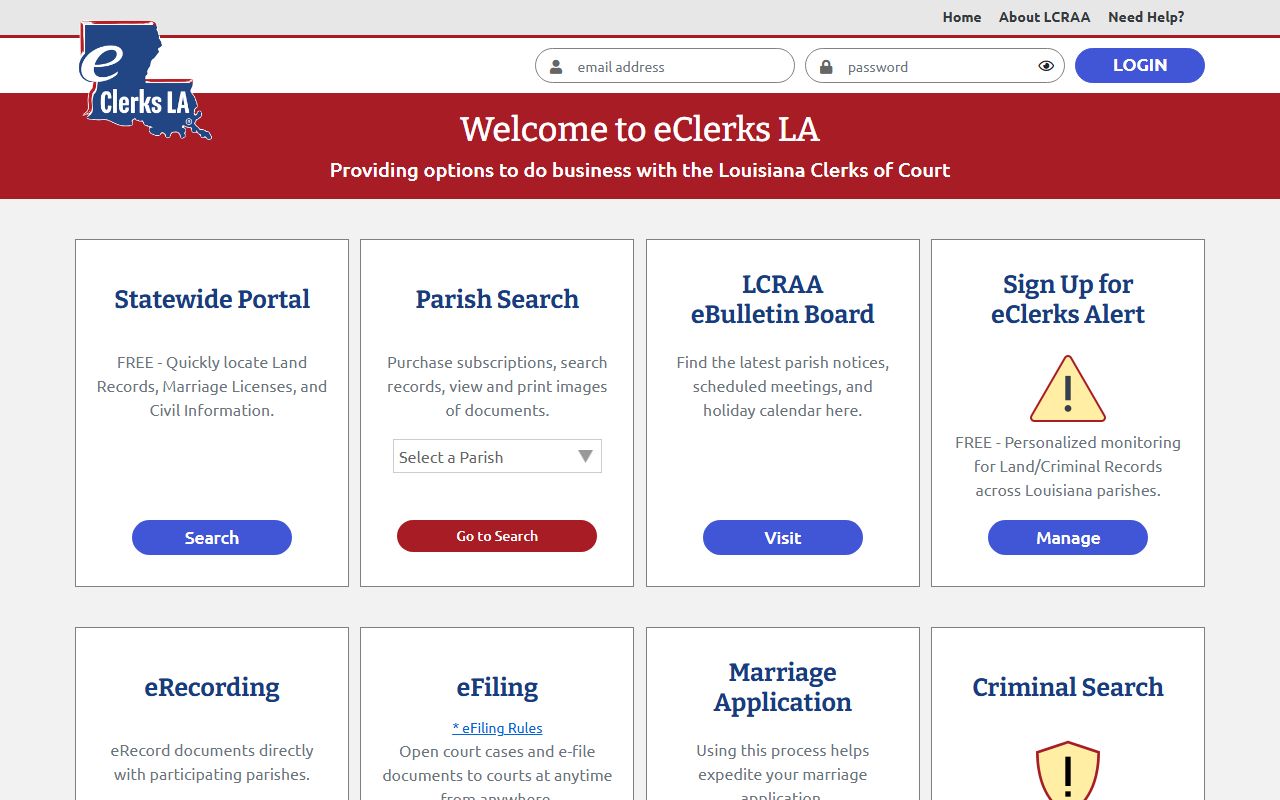
Beyond individual parish offices, Louisiana has several statewide resources for bench warrant and court record searches. The eClerksLA system gives online access to clerk records from multiple parishes. It covers civil filings, marriages, mortgage records, and property transactions. Criminal filings are being added to more parishes over time.
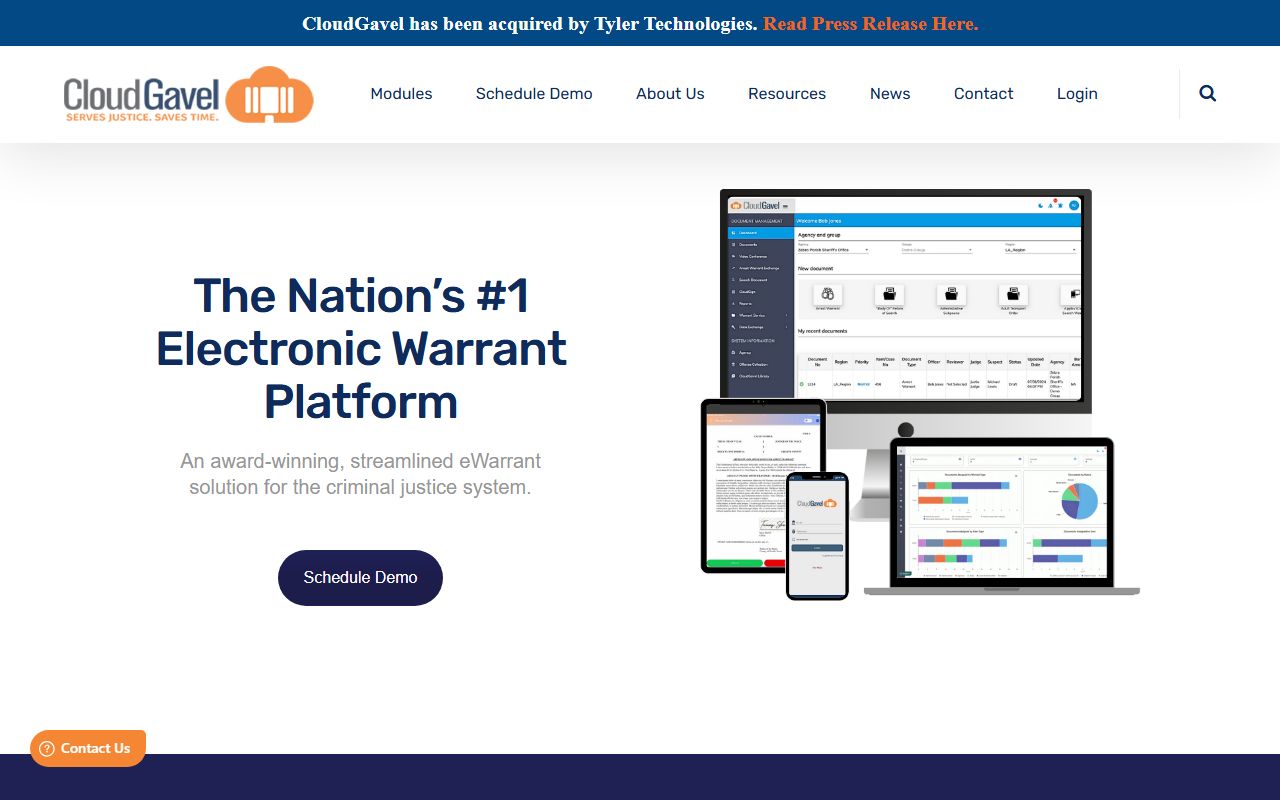
The CloudGavel system handles electronic warrant processing for several Louisiana law enforcement agencies, including the New Orleans Police Department. Officers use it to submit and track warrant applications. This system is not a public search tool, but it shows how Louisiana is moving toward digital warrant management. The Louisiana state portal also provides links to local parish government pages where you can find contact info for Sheriff's Offices and Clerks of Court.
The 19th Judicial District Court serving East Baton Rouge Parish and the 17th Judicial District Court serving Lafourche Parish both have online resources for court records and bench warrant information.
Browse Louisiana Bench Warrants by Parish
Each parish in Louisiana has its own Sheriff's Office and Clerk of Court that handle bench warrant records. Pick a parish below to find local contact info, search options, and resources.
Bench Warrants in Major Louisiana Cities
City residents deal with bench warrants through their parish court system. City courts and city marshals handle some municipal bench warrants too. Pick a city below to learn about bench warrant searches in that area.